
How It’s Made
The textile is the starting point.
Every Jillie P piece begins before the sewing machine is turned on. It begins with the textile — what it is, what it's been through, what it still has to give. From there, the process is one of study, repair, and intentional redesign.
A single coat can take up to five days to complete.
Scroll down to see why →
Sourcing + Curation
It starts with the find.
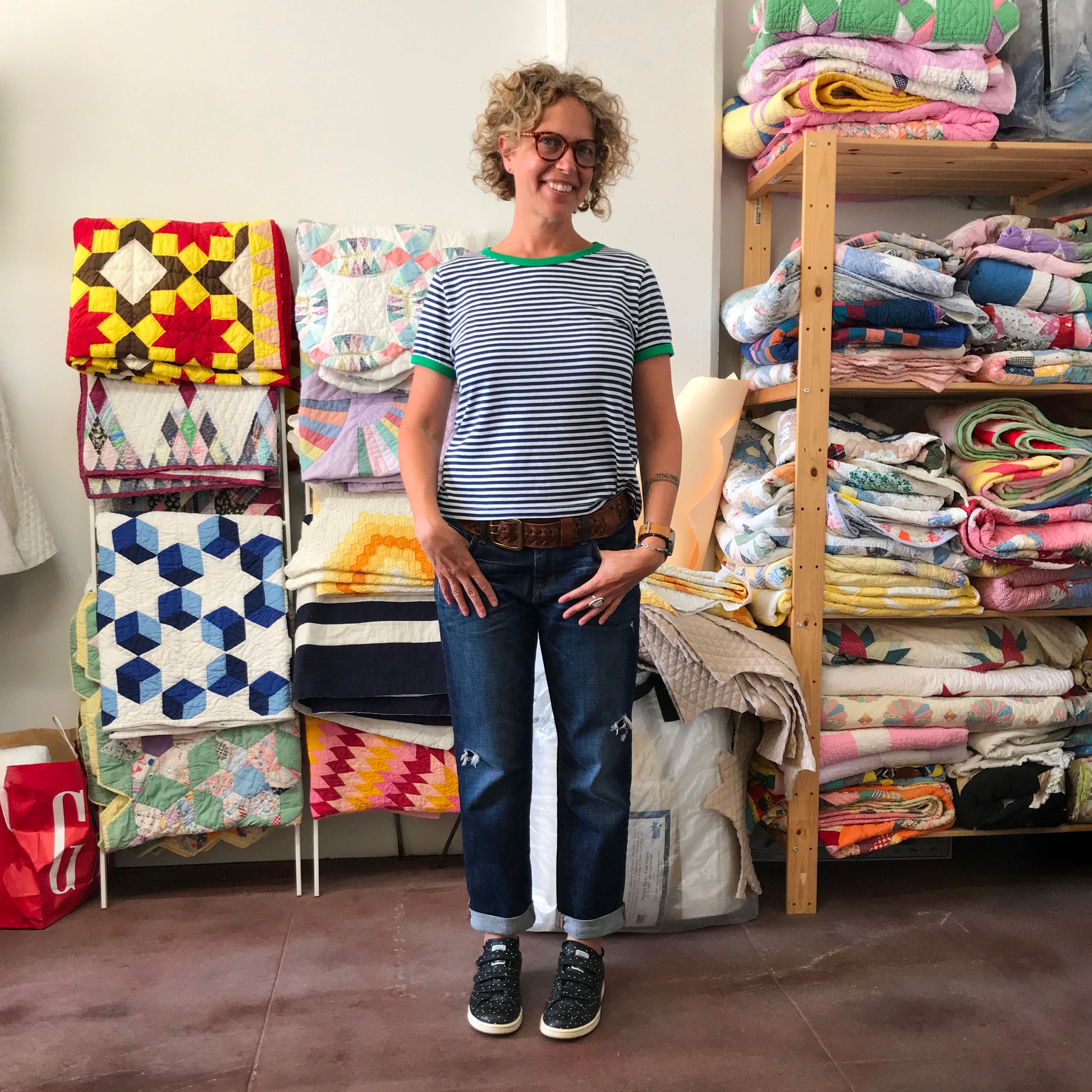
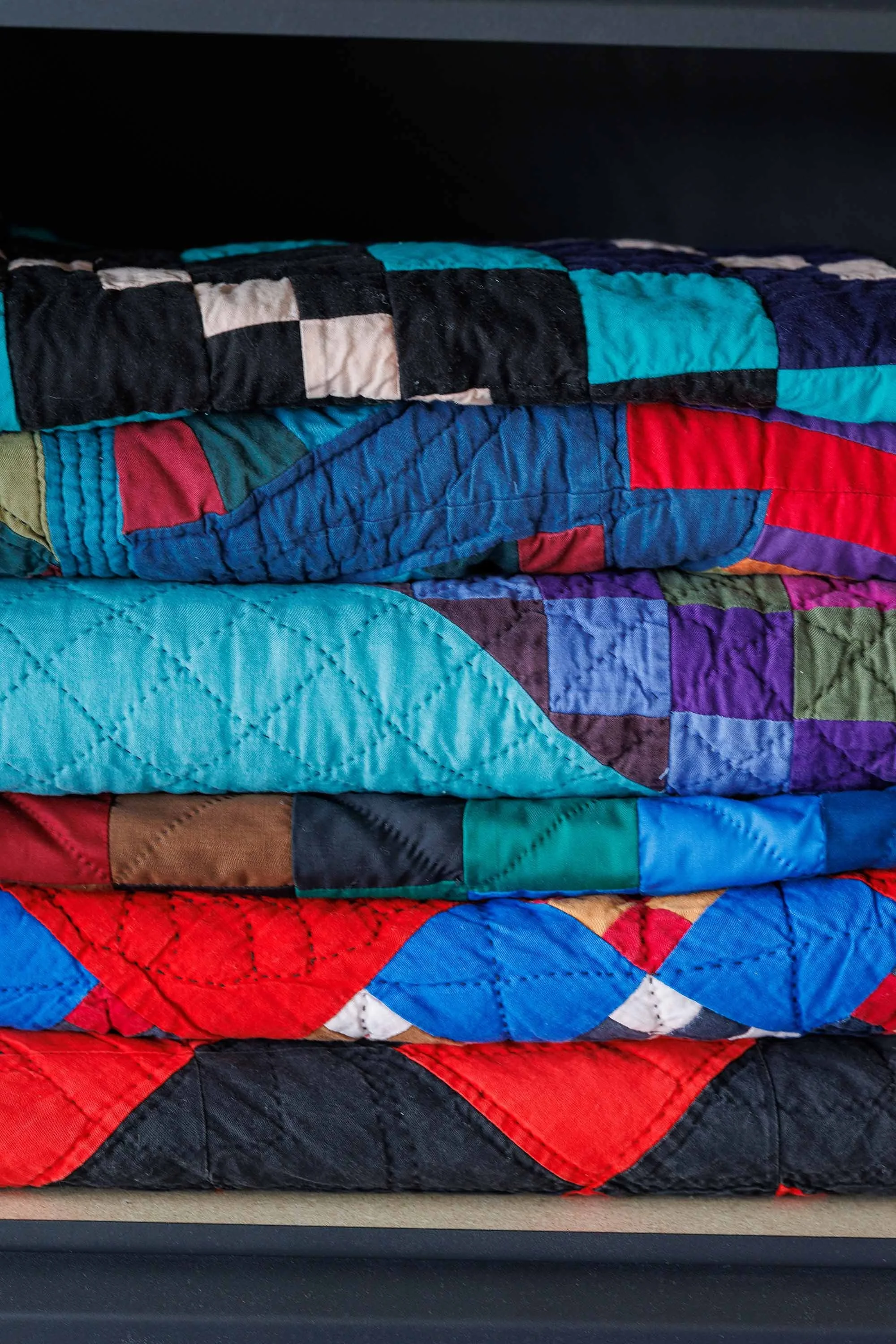
Every quilt is found, not manufactured. Textiles come from antique markets, estate sales, flea markets, and private collections. Each one is assessed for structure, condition, and potential — and brought into the studio only when there's a clear path to something worth making. Growing up in an antique-collecting family meant learning early how to see value in old things. That eye informs every sourcing decision made today.
Sourcing + Curation
It starts with the find.
Every quilt is found, not manufactured. Textiles come from antique markets, estate sales, flea markets, and private collections. Each one is assessed for structure, condition, and potential — and brought into the studio only when there's a clear path to something worth making. Growing up in an antique-collecting family meant learning early how to see value in old things. That eye informs every sourcing decision made today.
Study + Repair
Before design, there is care.
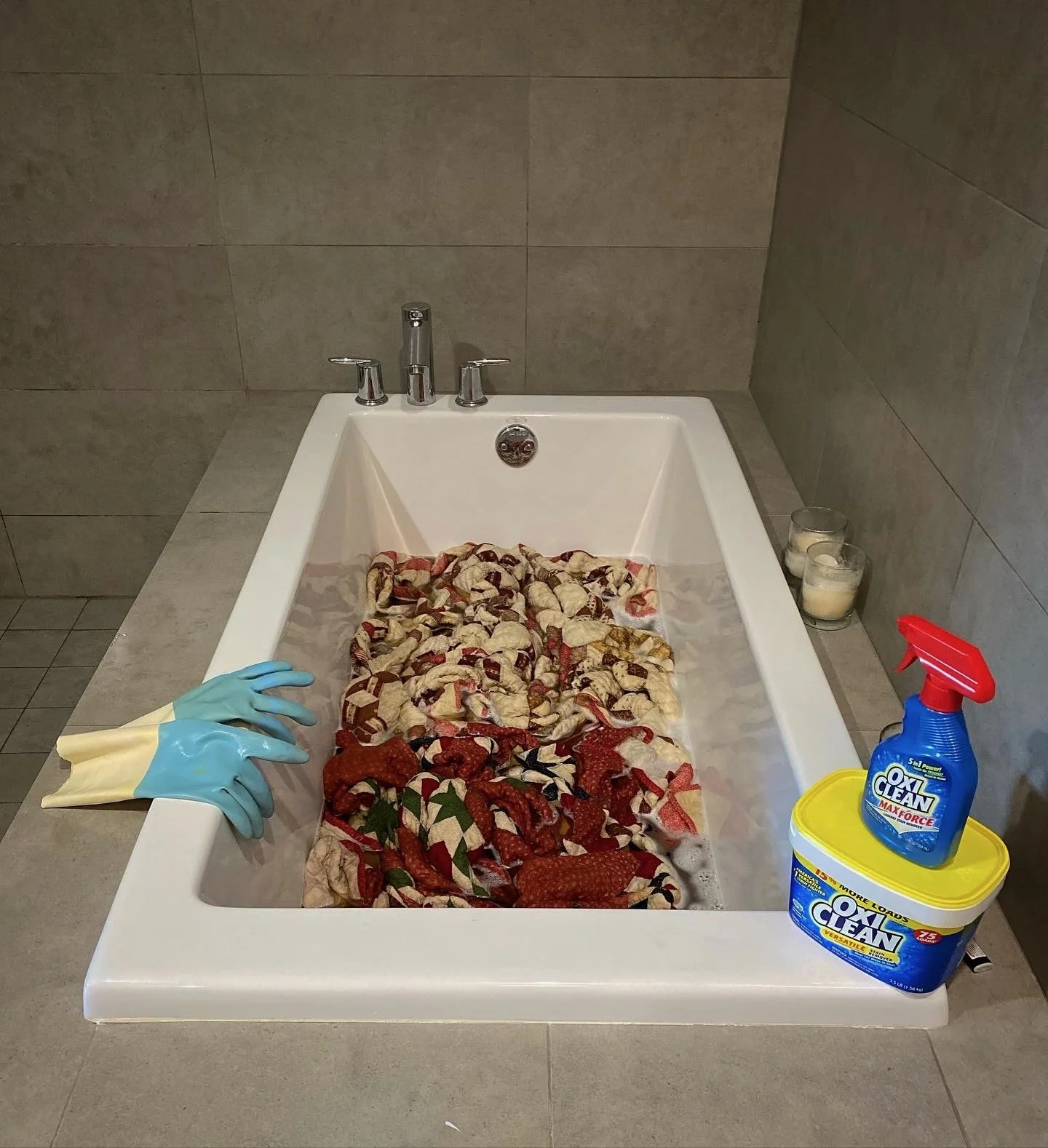
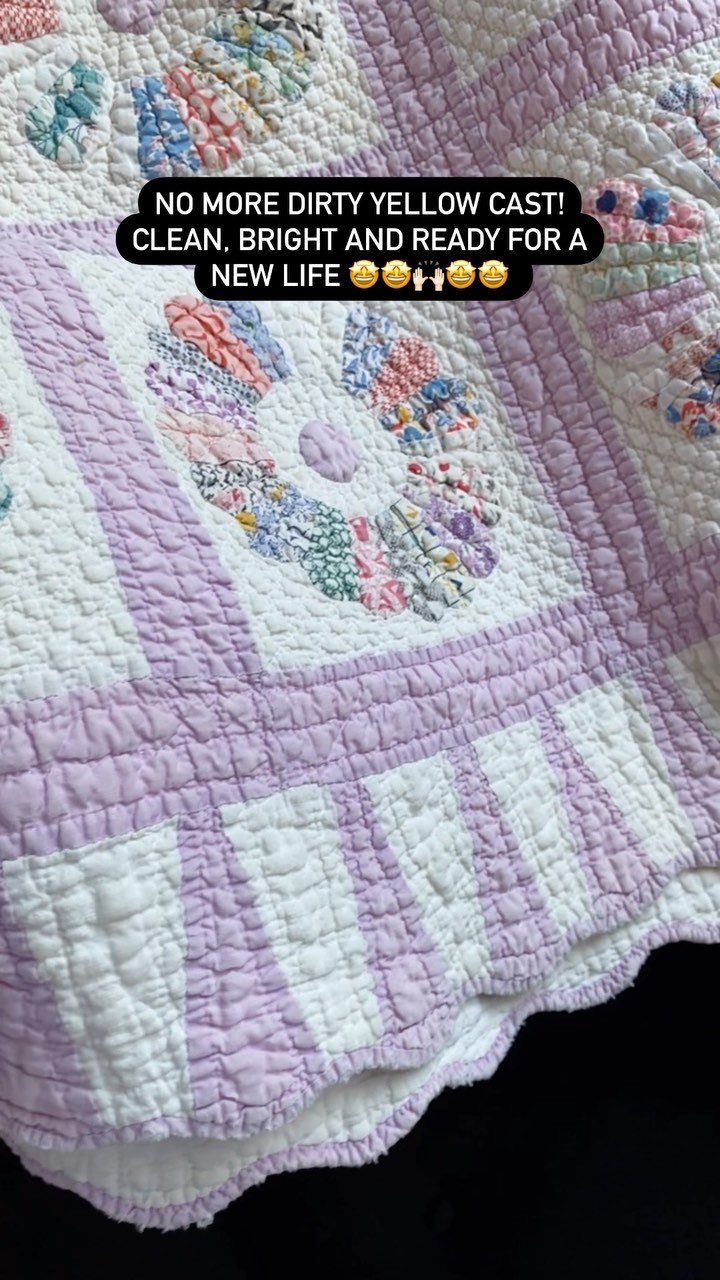
Every textile that enters the studio is washed, assessed, and repaired before a single design decision is made. Fragile areas are reinforced. Damaged sections are evaluated — sometimes they become a design feature; sometimes they are carefully worked around. This stage alone can take several days for a single coat. It is where most of the work happens, and where most of the value is built. It rarely shows in the finished piece, which is exactly why it's worth talking about.
Study + Repair
Before design, there is care.
Every textile that enters the studio is washed, assessed, and repaired before a single design decision is made. Fragile areas are reinforced. Damaged sections are evaluated — sometimes they become a design feature; sometimes they are carefully worked around. This stage alone can take several days for a single coat. It is where most of the work happens, and where most of the value is built. It rarely shows in the finished piece, which is exactly why it's worth talking about.
Textile Transformation
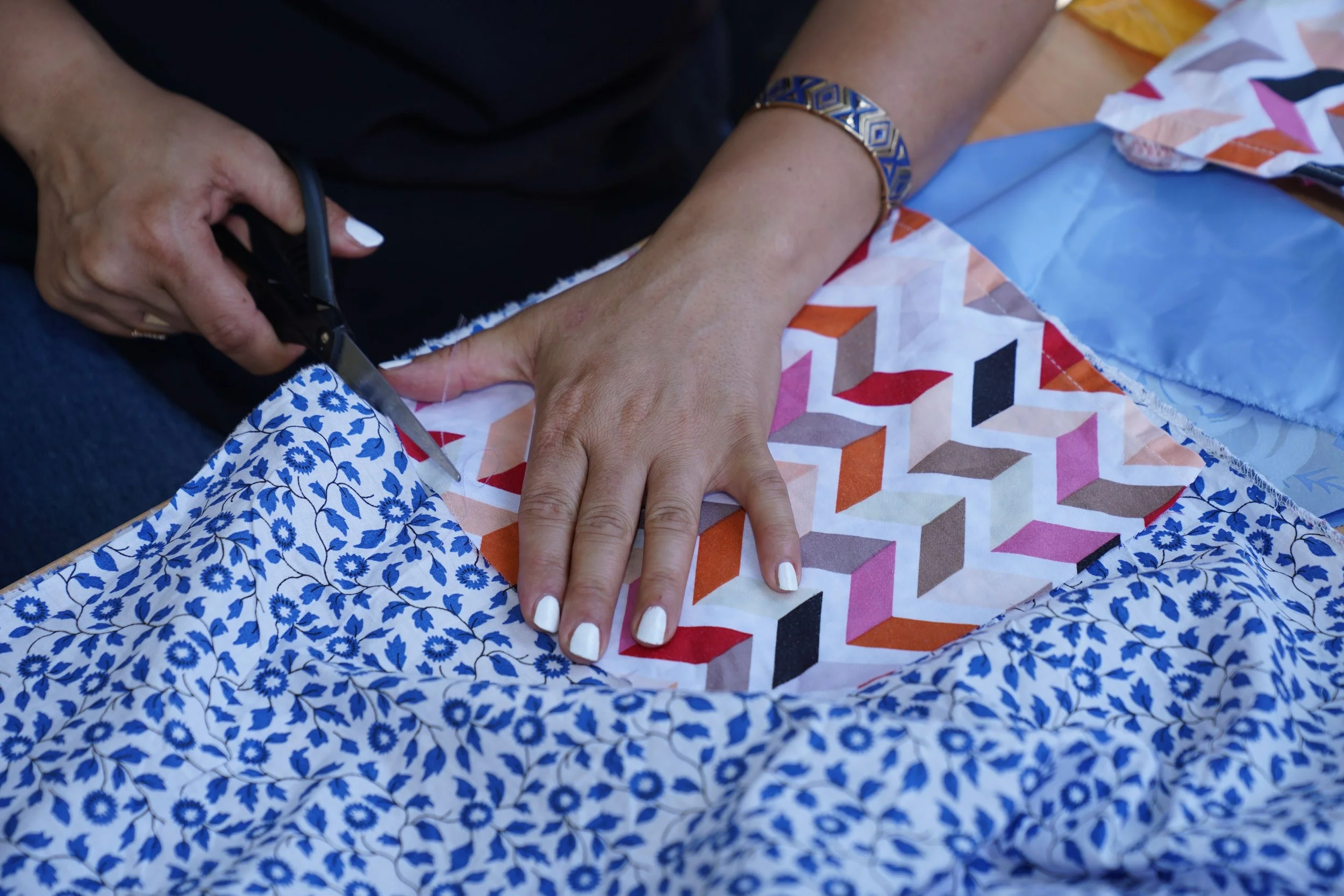
From first sight to final garment, see what it takes to bring a piece to life.
Design + Placement
The design is a puzzle.
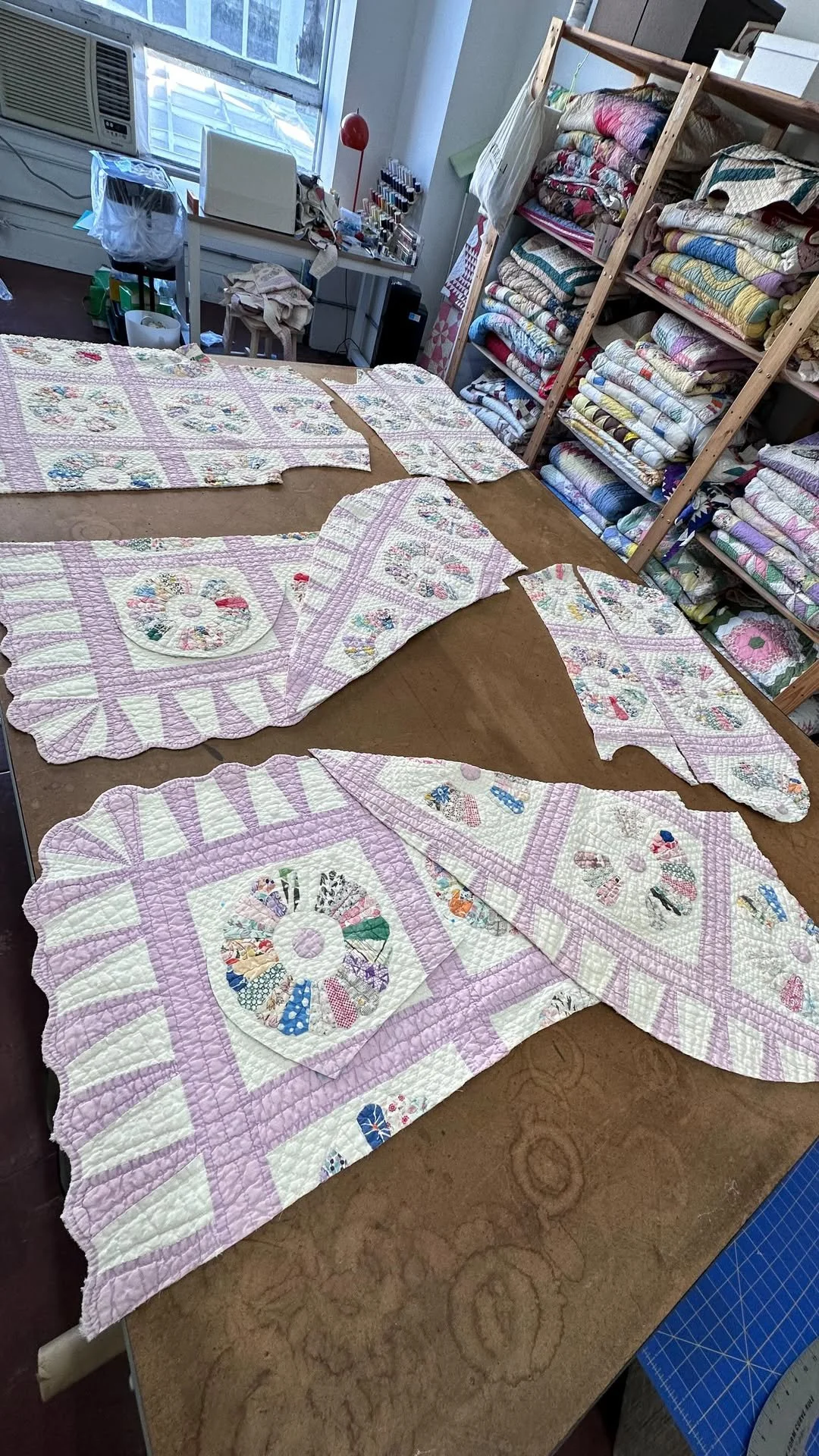
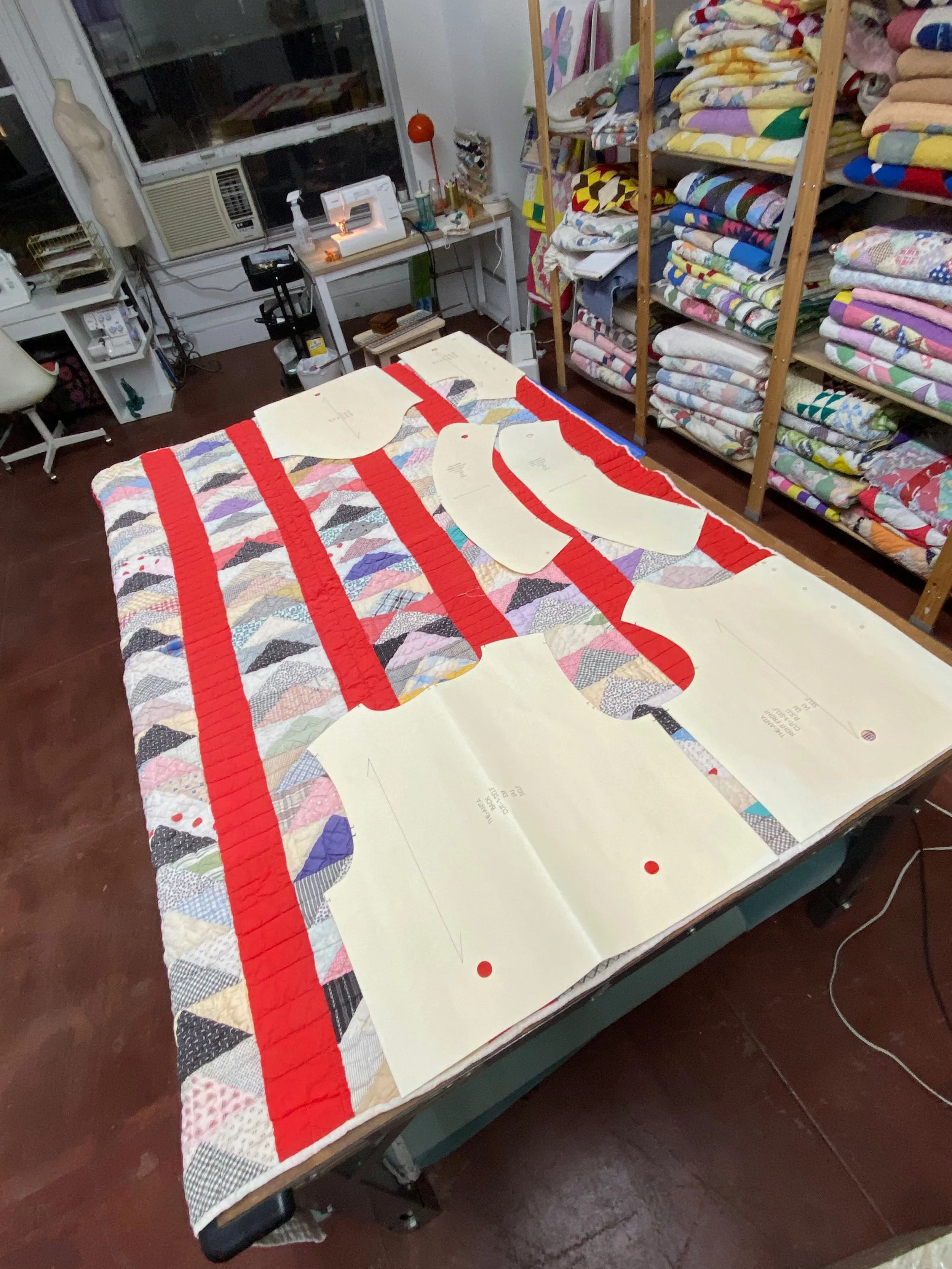
Pattern pieces are mapped by hand onto the textile. Placement decisions are shaped by the structure of the quilt — where the seams fall, how the patches interact, what the textile wants to do when it wraps around a body. Each placement is made deliberately. A single coat can require dozens of individual design decisions before a seam is sewn. Because every textile is different, every garment is its own. That is the whole point.
Design + Placement
The design is a puzzle.
Pattern pieces are mapped by hand onto the textile. Placement decisions are shaped by the structure of the quilt — where the seams fall, how the patches interact, what the textile wants to do when it wraps around a body. Each placement is made deliberately. A single coat can require dozens of individual design decisions before a seam is sewn. Because every textile is different, every garment is its own. That is the whole point.
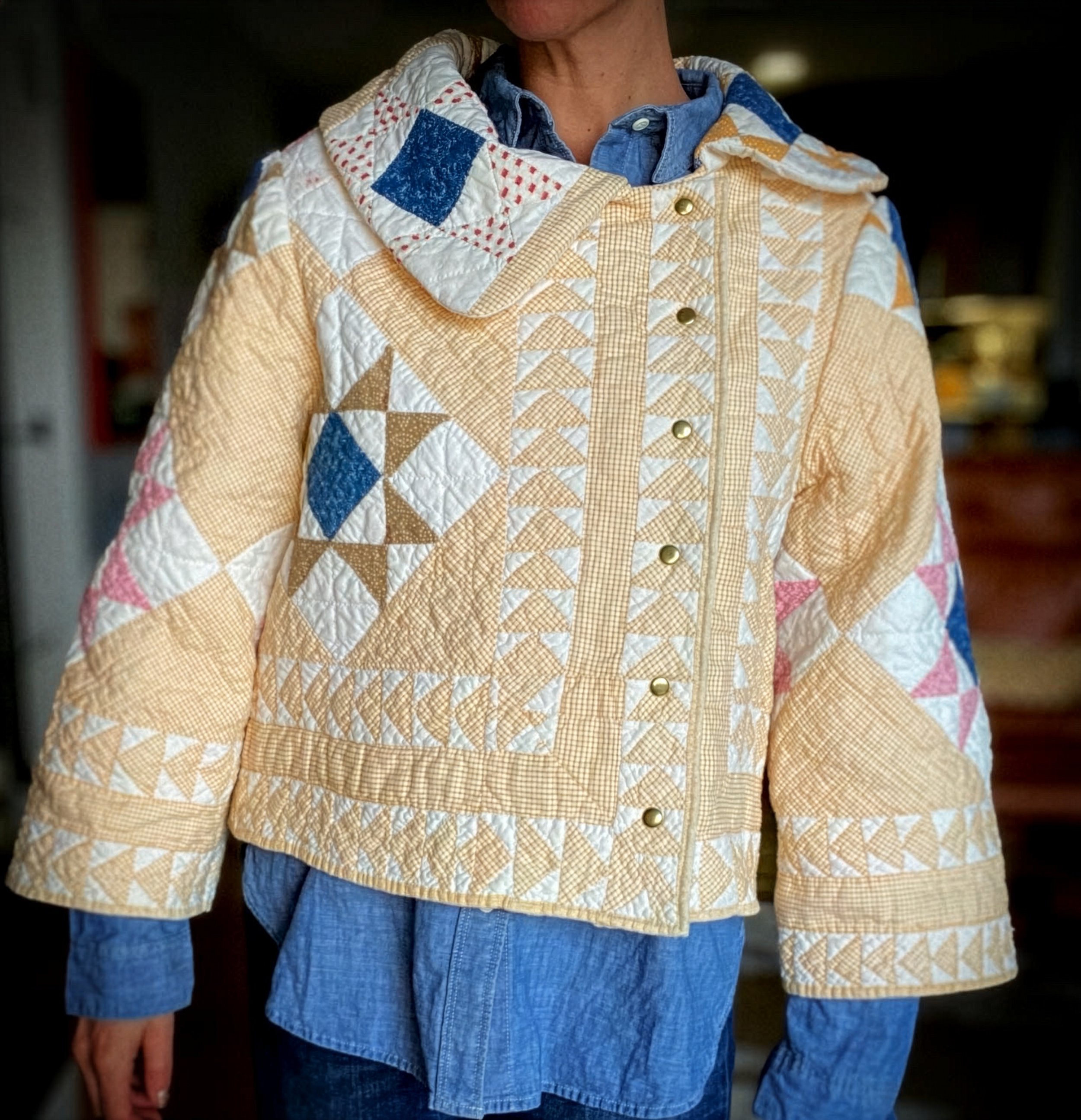
Construction
Stitched, layered, made to last.
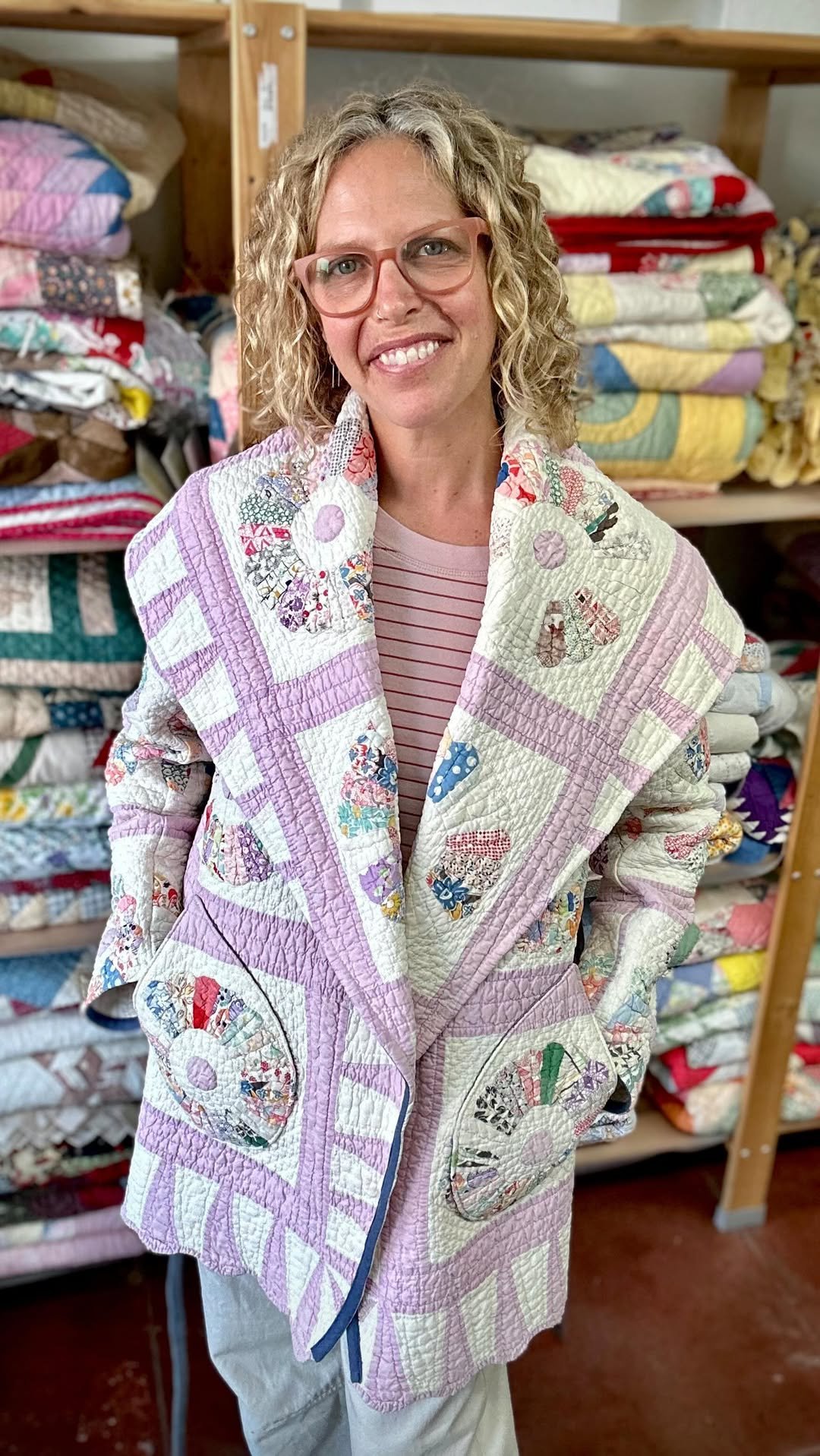
Quilted textiles are bulkier and more technically demanding to sew than standard fashion fabric. Seams are finished carefully. Every interior detail is considered — because a garment built to be worn for years should be just as well-made on the inside as the outside. Most Jillie P pieces are machine washable. A piece this personal should be able to live with you fully.
Construction
Thick, layered, made to last.
Quilt textiles are heavier and more technically demanding to sew than standard fashion fabric. Seams are finished carefully. Every interior detail is considered — because a garment built to be worn for years should be just as well-made on the inside as the outside. Most Jillie P pieces are machine washable. A piece this personal should be able to live with you fully.
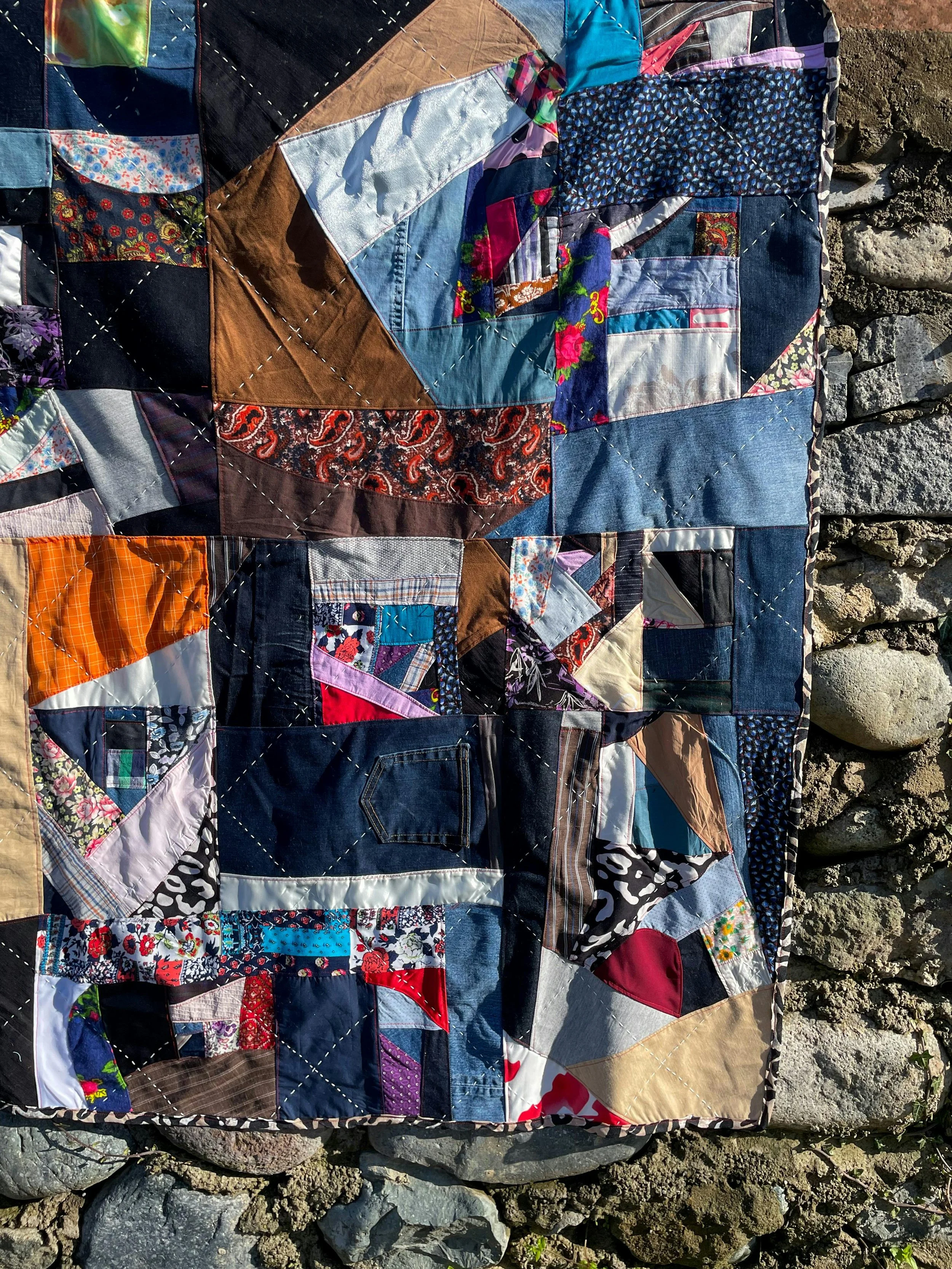
What This Means
When you commission a Jillie P piece, you are investing in something that will be made once and worn for years.
You are wearing a textile with a history that predates you — and a garment designed to outlast trends because it was never chasing them. The price reflects what it took to make it. The value lives in how long you'll reach for it.