I make things I wish existed.
I make things I wish existed.
The Beginning
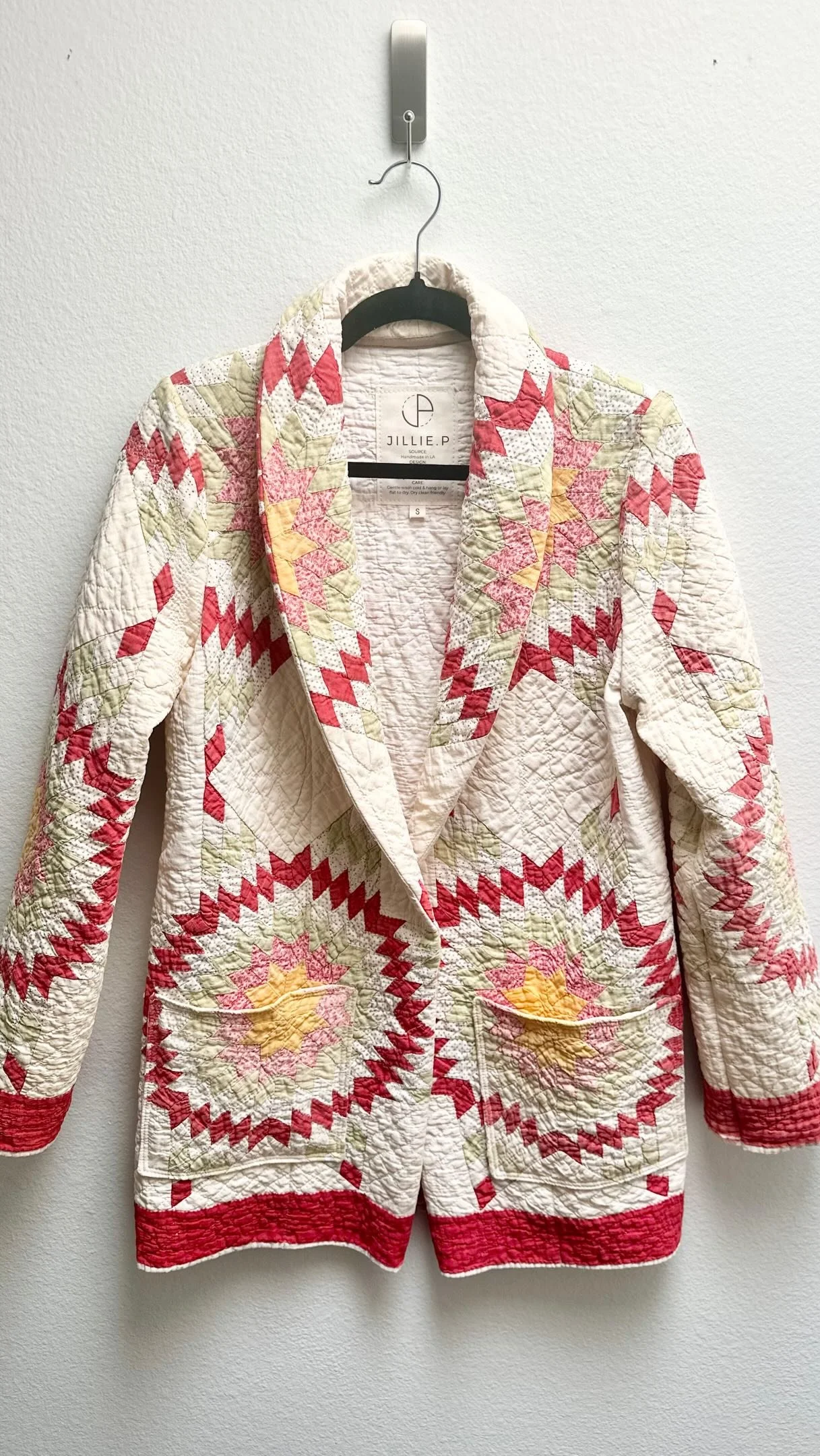
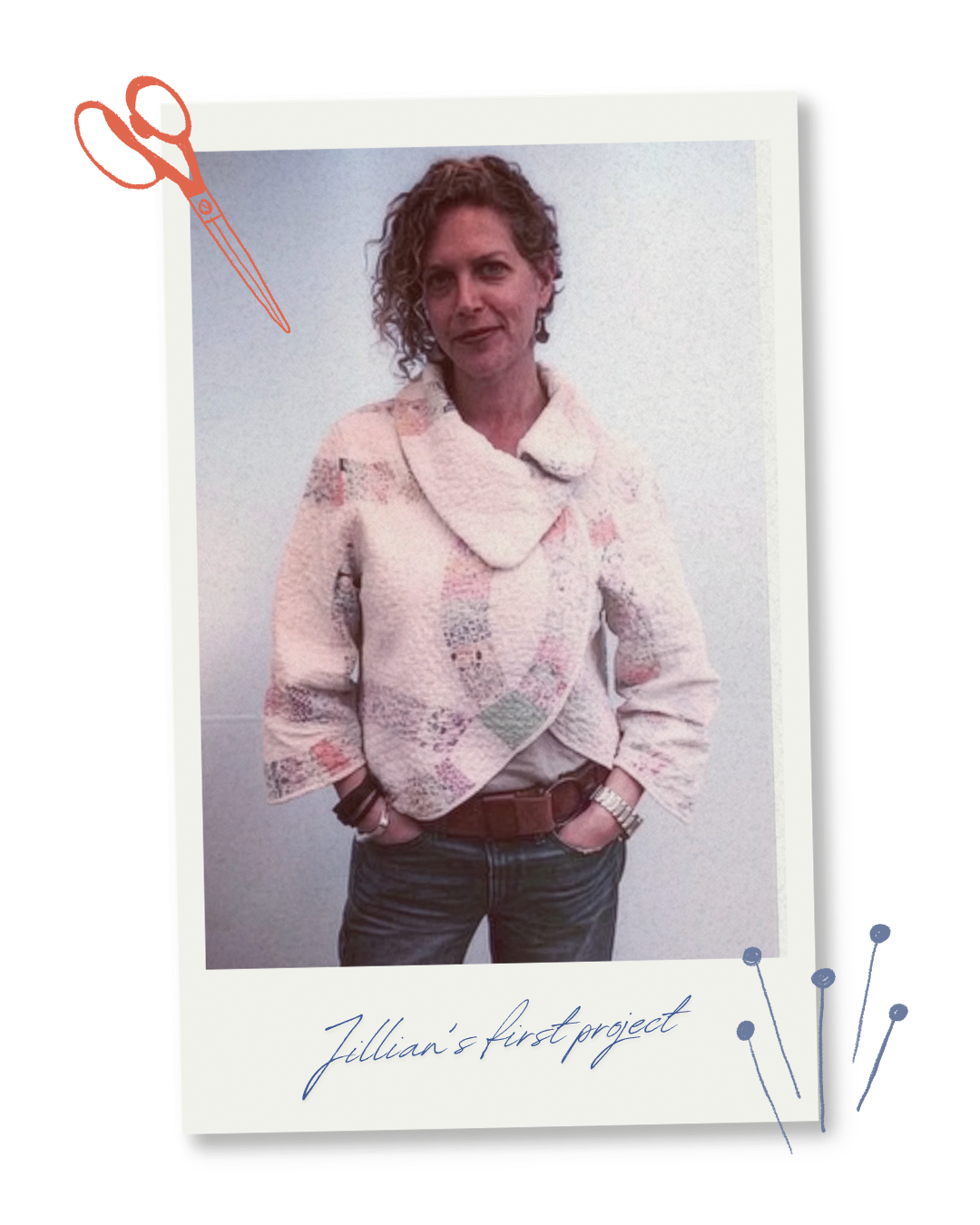
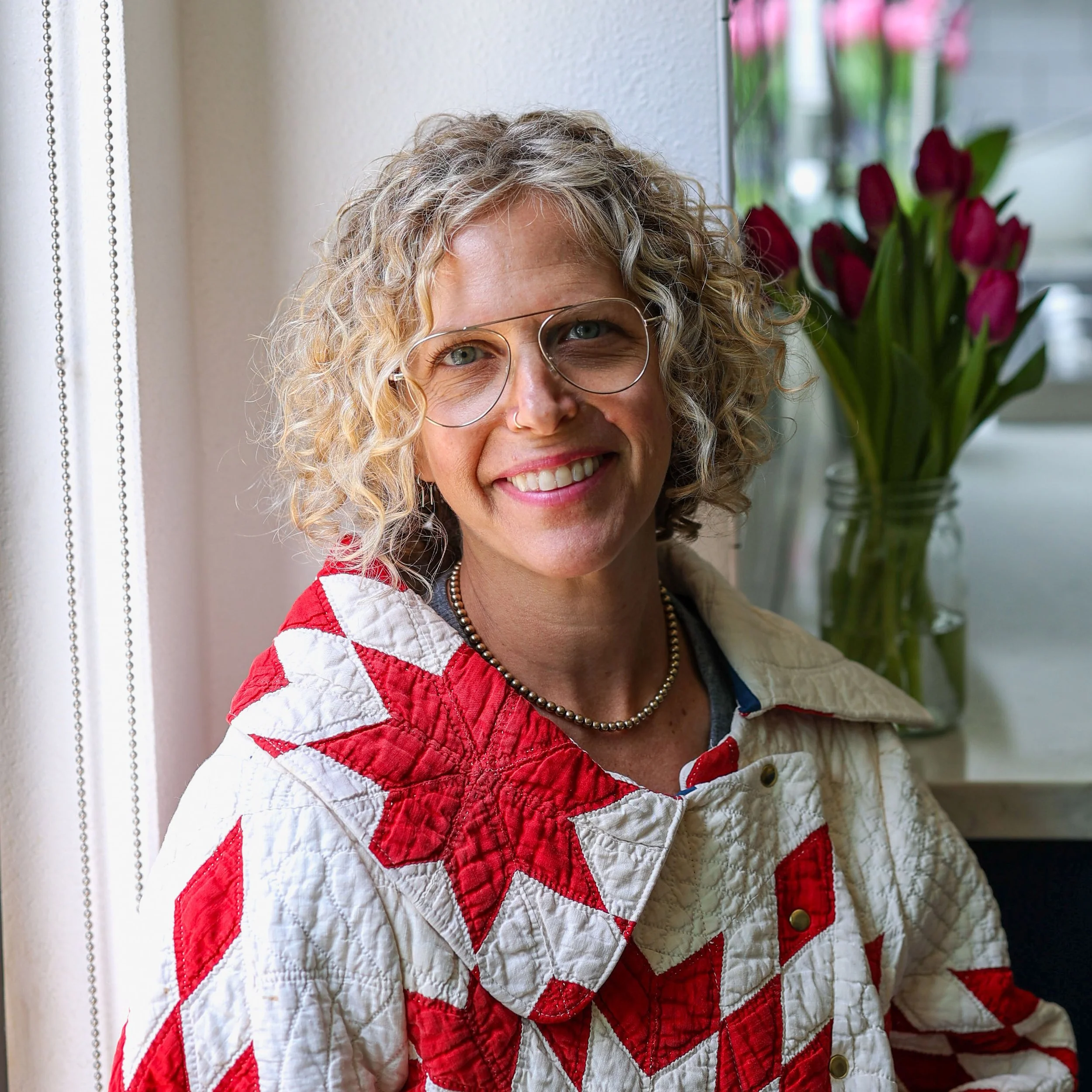
Jillie P started with a coat.
It was a ratty old quilt coat my mother found at an outdoor antique market one cold morning in Lawrenceburg, Indiana. It was in rough shape. But it was still undeniably cool — something in the idea of it, the fact that something made for a bed had been turned into something you could live in. She called me to say, 'You should do this.' Something clicked. I set to work, developing a pattern from a jacket I already owned.
I had gone to school for fashion design. I had spent years in qualitative research — learning how to ask the right questions, how to listen for what people didn't quite say yet, how to observe and translate. I had my wardrobe stylist certification. I was restless, in the middle of a creative burnout, wondering what I was actually building.
The coat answered it.
The Work
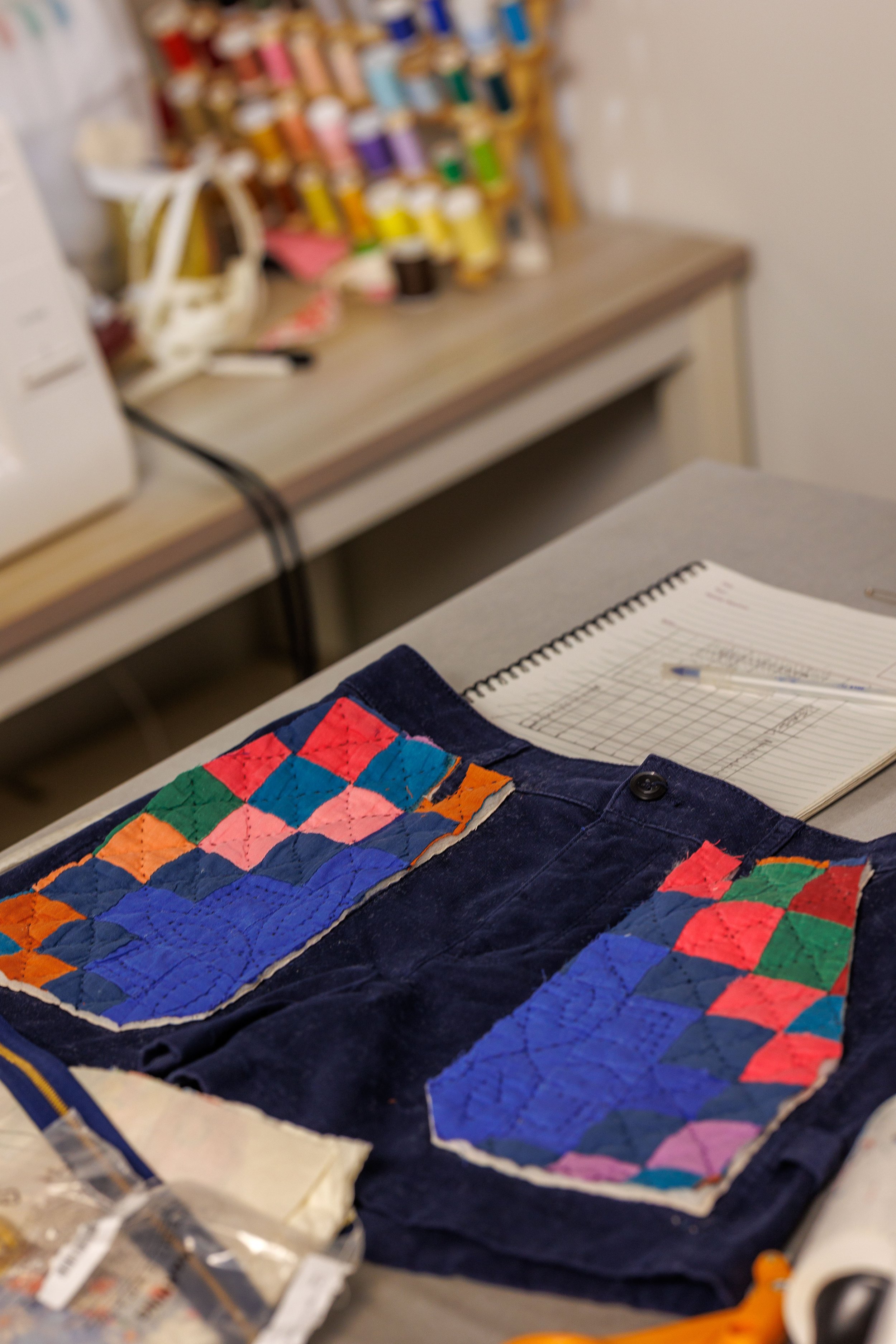
At Jillie P, I source vintage quilts and secondhand textiles —
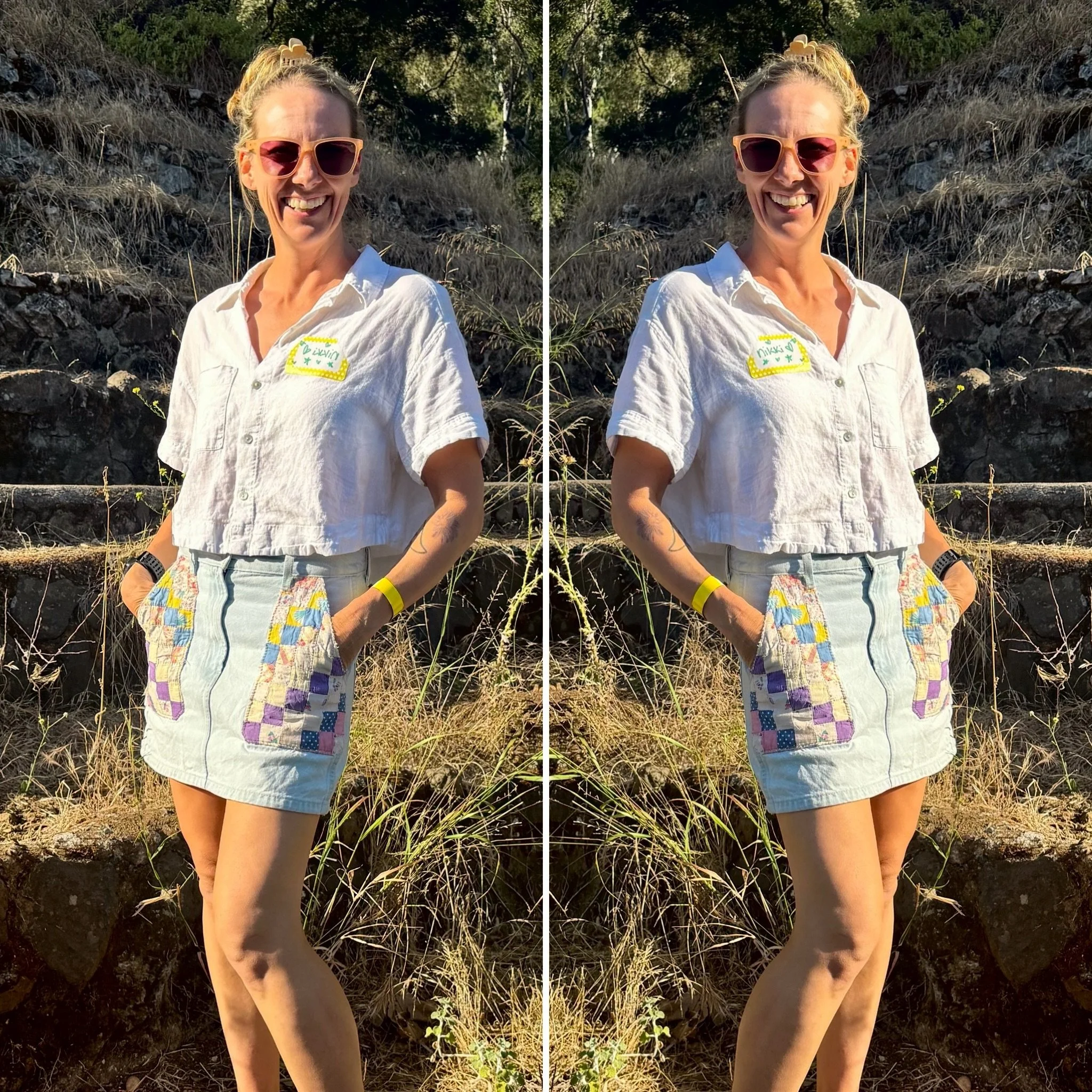
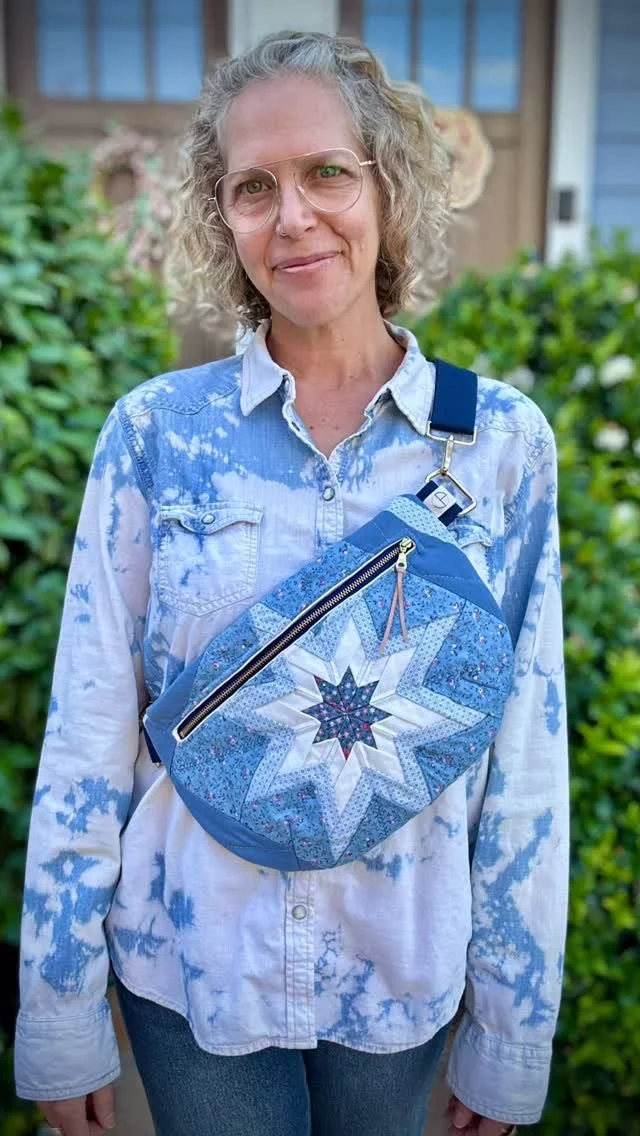
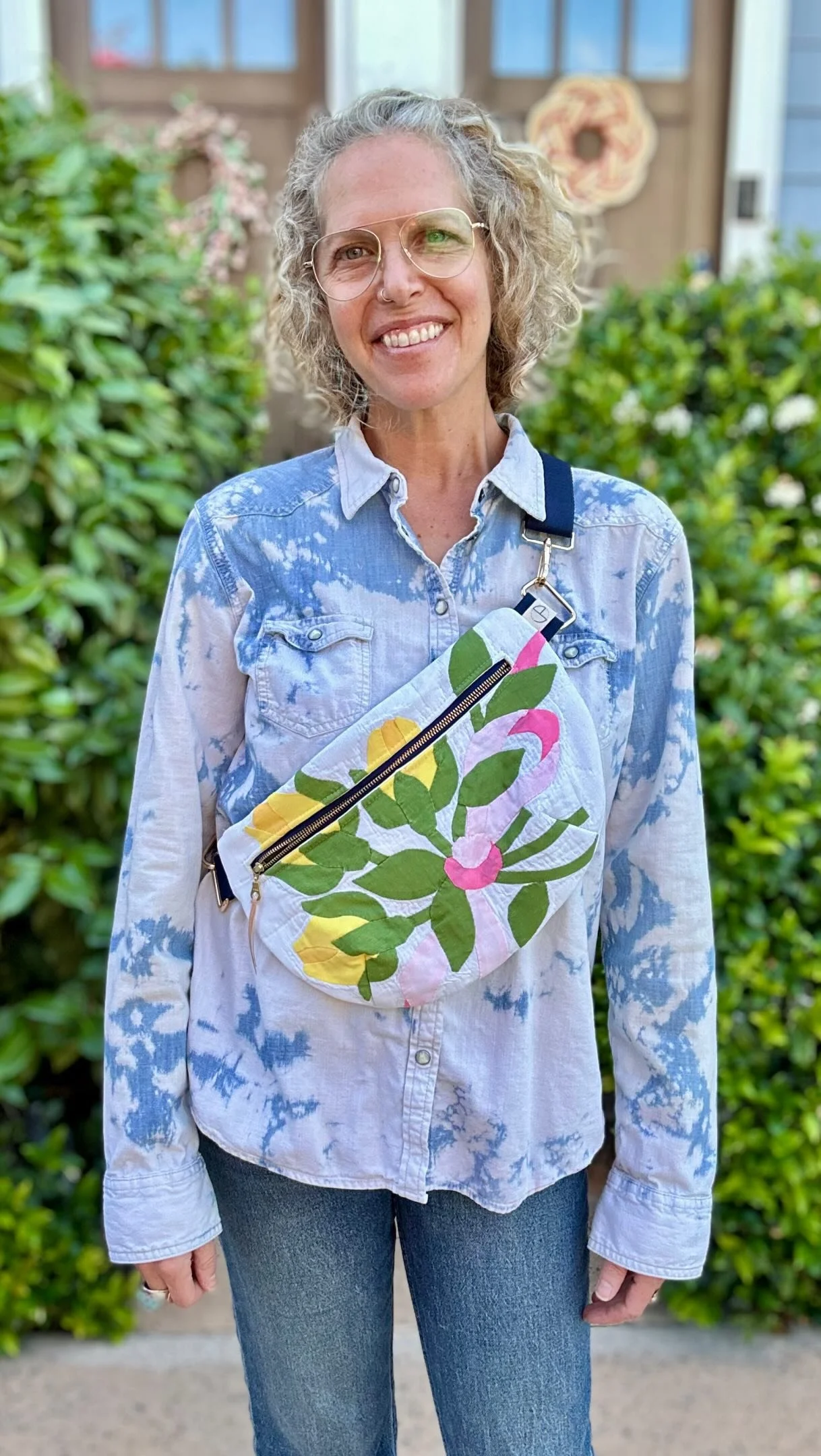
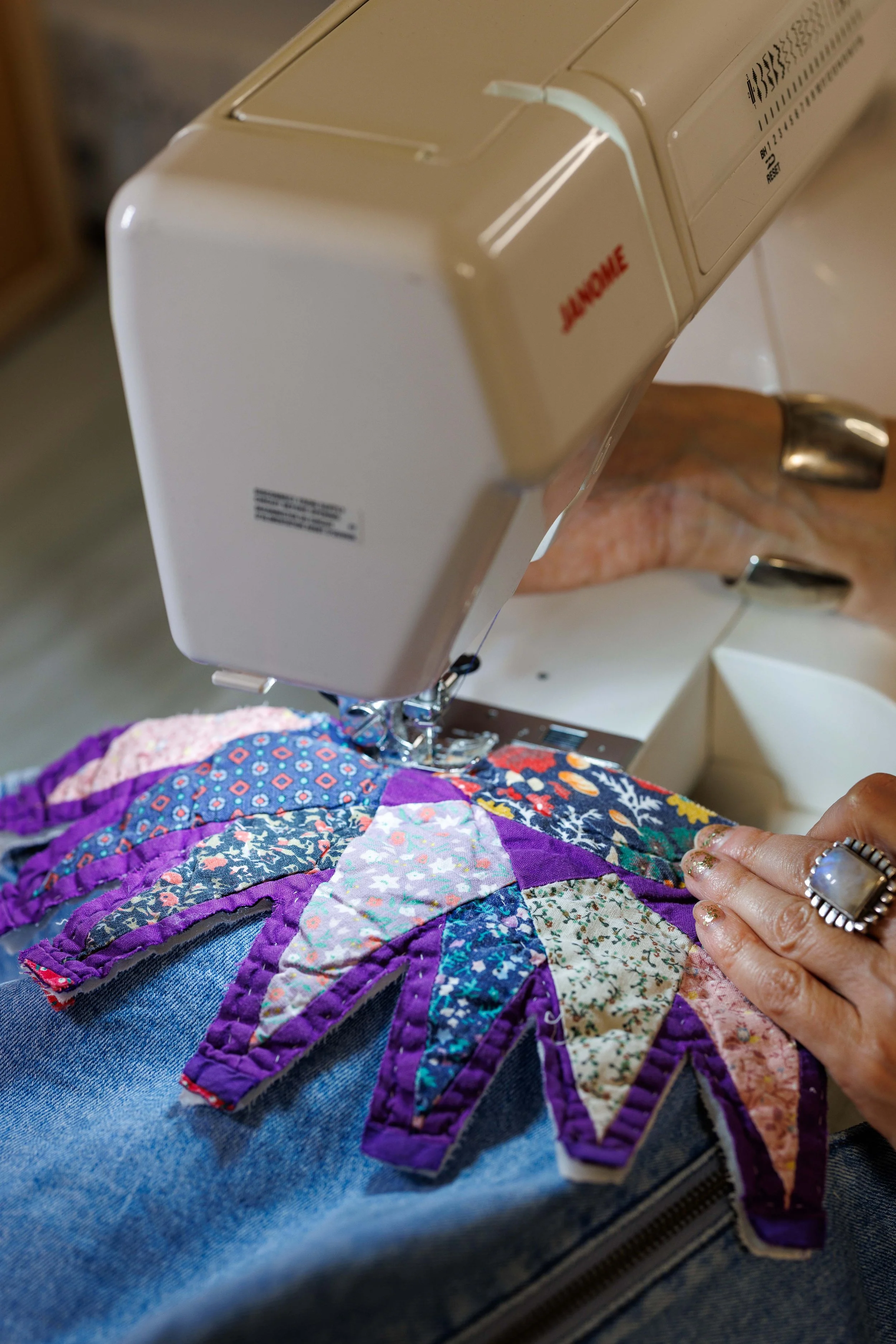
the same types of things I grew up surrounded by, the things that taught me early how to see value in old, handmade, much-loved objects. I study them, clean them, repair them, design around their structure, and sew them into garments meant to be worn often and kept for years.
My job is to be the translator between textile history and personal style. To find things with a history and make them wearable again — in a way that feels current and genuinely yours.
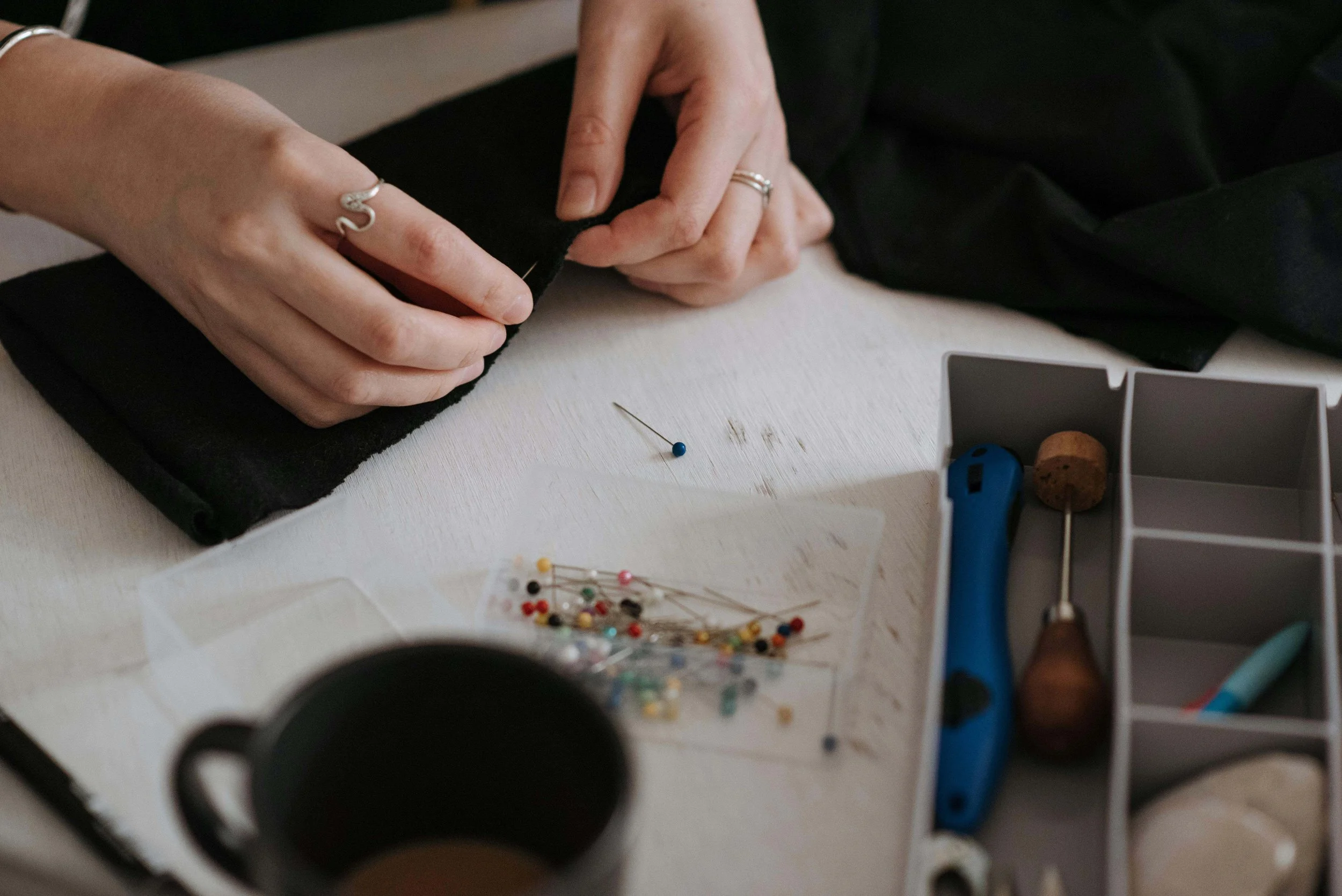
Every piece is sourced, washed, repaired, composed, cut, and sewn by hand in the studio. The connection between maker and wearer is direct. There is no anonymity in the production.
What I Believe
-
Always. Even when two garments come from the same quilt, the placement and proportion make them entirely different from each other.
-
The sourcing, the repair, the hours of design decisions — they live in the finished piece, whether you can see them or not.
-
These pieces are built to be worn often, cared for, and kept — not saved for the right occasion that never quite comes.
-
These pieces are made for real wardrobes and real lives — not for a version of dressing that requires planning.
-
Every garment begins with an existing material. Repair and transformation over discard, not as a marketing position, but as the actual method.
Credentials
[PLACEHOLDER: Jillian to add 1–2 personal sentences about her background, what she loved about growing up around antiques, or what she finds most compelling about this work now.]
B.S. Fashion Design, University of Cincinnati DAAP | Fashion Styling Certificate, 2016 | Qualitative Research Moderator, 18+ years
Credentials
[PLACEHOLDER: Jillian to add 1–2 personal sentences about her background, what she loved about growing up around antiques, or what she finds most compelling about this work now.]
B.S. Fashion Design, University of Cincinnati DAAP | Fashion Styling Certificate, 2016 | Qualitative Research Moderator, 18+ years